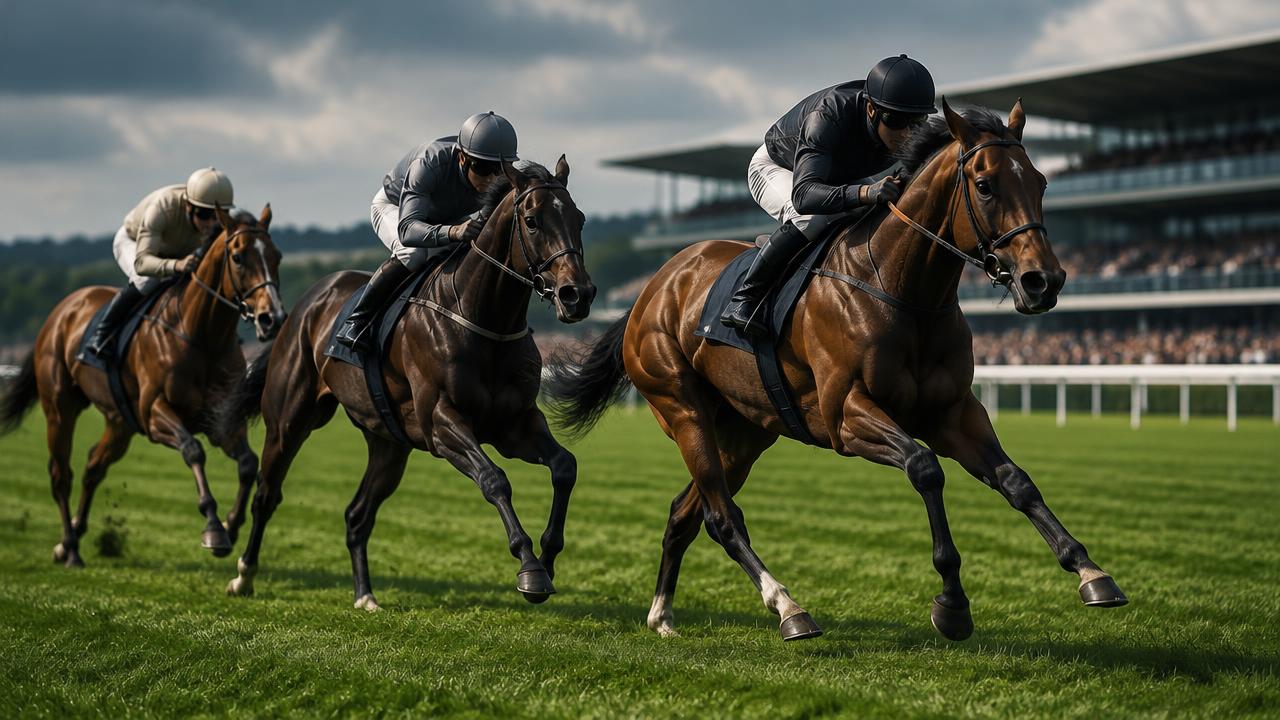
Cheltenham Festival 2027 Betting: Odds, Markets & Rules

Cheltenham Festival 2027 betting explained: how racing odds work, win and each-way bets, ante-post rules, handicaps, the going and the settlement rules that matter.
Cheltenham Festival 2027 betting at a glance
The Cheltenham Festival is British jump racing's biggest meeting, held at Cheltenham Racecourse in Gloucestershire, England. It runs over four days, traditionally in mid-March, with championship races including the Champion Hurdle, the Queen Mother Champion Chase, the Stayers' Hurdle and the Gold Cup on the final day. This guide explains the common horse racing betting markets and the settlement rules that matter at the festival. It does not predict winners, name favourites or recommend bets, and no market or approach guarantees a win. Check the official Cheltenham Racecourse channels for confirmed 2027 dates and race times.
How horse racing odds work
Racing prices are traditionally shown as fractional odds, although most sportsbooks let you switch to decimal. A fractional price of 4/1 equals decimal 5.00: a 10-unit stake returns 50 units in total if the horse wins, including the stake. Implied probability is 1 ÷ decimal odds, so 5.00 is 20%. Bookmaker prices include a margin, so implied probability is not a guarantee or an independent measure of the true chance. Prices move with betting volume, stable news, jockey bookings and the weather, and they can change right up to the off.
Win and each-way betting
A win bet pays only if your horse finishes first. An each-way bet is two bets in one: half the stake on the win and half on the place, so a 10-unit each-way bet costs 20 units. The place part pays a fraction of the win odds, commonly 1/5, if the horse finishes in the places. The number of places and the fraction depend on the race type and the number of runners, and some bookmakers offer extra places on big festival races. Check the place terms shown next to the race before betting, because they vary between races and between sportsbooks. For worked each-way examples, the full place-terms table and how to read a racecard, see our guide on how to bet on horse racing.
Ante-post betting and non-runner no bet
Ante-post markets are priced weeks or months before the festival. Under standard ante-post rules, if your horse does not run, the bet usually loses. Some bookmakers offer non-runner no bet (NRNB) terms closer to the meeting, where the stake is returned if the horse is not declared. NRNB prices are normally shorter than standard ante-post prices to reflect the refund protection. Always check which terms apply to your bet, because the difference decides what happens if the horse never reaches the start.
Handicap races and weights
Many festival races are handicaps, where each horse carries a weight set by the official handicapper. Higher-rated horses carry more weight, with the aim of giving every runner a similar chance on paper. A horse's official rating, the weight it carries and any jockey allowance all appear on the racecard. Handicaps often have large fields, which is why place terms on these races can extend to more finishing positions. The handicap is a rating system, not a reliable way to forecast the result.
The going and why it matters
The going describes the state of the turf, from heavy and soft through good to firm, and it is officially assessed on the day. March weather in Gloucestershire can change the going quickly, and some horses have recorded form on certain ground while others have not. The going is context, not a certainty: a horse's past record on a type of ground does not guarantee how it will run next time. If the going changes after you bet, your bet normally stands at the accepted price.
Forecasts, accumulators and multiple bets
A forecast asks you to pick the first two finishers in the correct or any order, and a tricast the first three. Accumulator bets combine winners from several races: every selection must win for the bet to pay, so each extra leg makes it less likely to win. With seven races a day over four days, festival accumulators are common, but a single beaten favourite ends the whole bet. A non-runner in an accumulator leg is usually removed and the rest stands at reduced odds.
Fallers, non-runners and settlement rules
Jump racing has rules that do not exist in most other sports. A horse that falls, unseats its rider or is pulled up does not finish, and bets on it lose. If a horse is withdrawn after you bet, a Rule 4 deduction may reduce winnings on other horses to reflect the changed field; the deduction scale depends on the withdrawn horse's price. Dead heats split stakes between the tied horses. Bets are settled on the official result after any stewards' enquiry, so the first horse past the post is not always the winner for betting purposes. Read the sportsbook's racing rules before betting.
Festival betting compared with other sports
Racing markets settle differently from the team-sport markets in our Six Nations betting guide or Super Bowl LXI guide. There is no draw in a horse race, place terms replace the three-way match market, and each-way betting has no direct equivalent in football or rugby. If you are used to team sports, read the market labels carefully rather than assuming the same rules apply.
Betting on the Cheltenham Festival responsibly
Four days of racing means dozens of markets, and a full race schedule is not a reason to bet more often. Set one budget for the whole festival before it starts, never chase losses and use deposit limits, time-outs or self-exclusion if you need them. Betting is entertainment, not a way to make money. 18+ only.
Cheltenham Festival markets at Moolzy
Cheltenham Festival 2027 markets, including win, each-way, forecast and ante-post betting, are listed in the Moolzy sportsbook, subject to availability in your country. Odds, place terms and markets can change at any time, and terms apply. 18+ only — bet responsibly.
Frequently asked questions
When is the Cheltenham Festival 2027?
The festival is traditionally held over four days in mid-March at Cheltenham Racecourse in Gloucestershire, England. Check the official racecourse website for confirmed 2027 dates.
What is the Cheltenham Gold Cup?
The Gold Cup is the festival's most prestigious steeplechase, traditionally run on the final day over about three and a quarter miles with fences.
What does each-way mean in horse racing?
An each-way bet is two bets: half the stake on the horse to win and half on it to place. The place part pays a fraction of the win odds if the horse finishes in the places, with the number of places set by the race and the bookmaker.
What happens to my bet if my horse does not run?
Under standard ante-post rules the bet usually loses. With non-runner no bet terms the stake is returned. If a horse is withdrawn close to the race, a Rule 4 deduction may reduce winnings on other runners.
What is the going in horse racing?
The going is the official description of the turf condition, from heavy through soft, good and firm. It is assessed on the day and can change with the weather.
What is a Rule 4 deduction?
When a horse is withdrawn after betting has opened, bookmakers may deduct a set amount from winnings on the remaining horses. The deduction depends on the withdrawn horse's price at the time.