How to Play Slots: A Beginner's Guide to Rules, RTP and Features

New to online slots? Learn how reels, paylines, RTP and volatility work, what wilds, scatters and free spins do, and how to read a paytable before you play.
How online slots work
An online slot is a game of chance run by a random number generator (RNG) — software that produces a random outcome for every spin. You choose a stake, press spin, and the reels stop on a random combination of symbols. If the combination matches one of the game's winning patterns, the game pays according to its paytable. Every spin is independent: previous results have no effect on the next spin, and no outcome is ever due. Slots are entertainment with a built-in house edge, not a way to make money.
Reels, rows and paylines
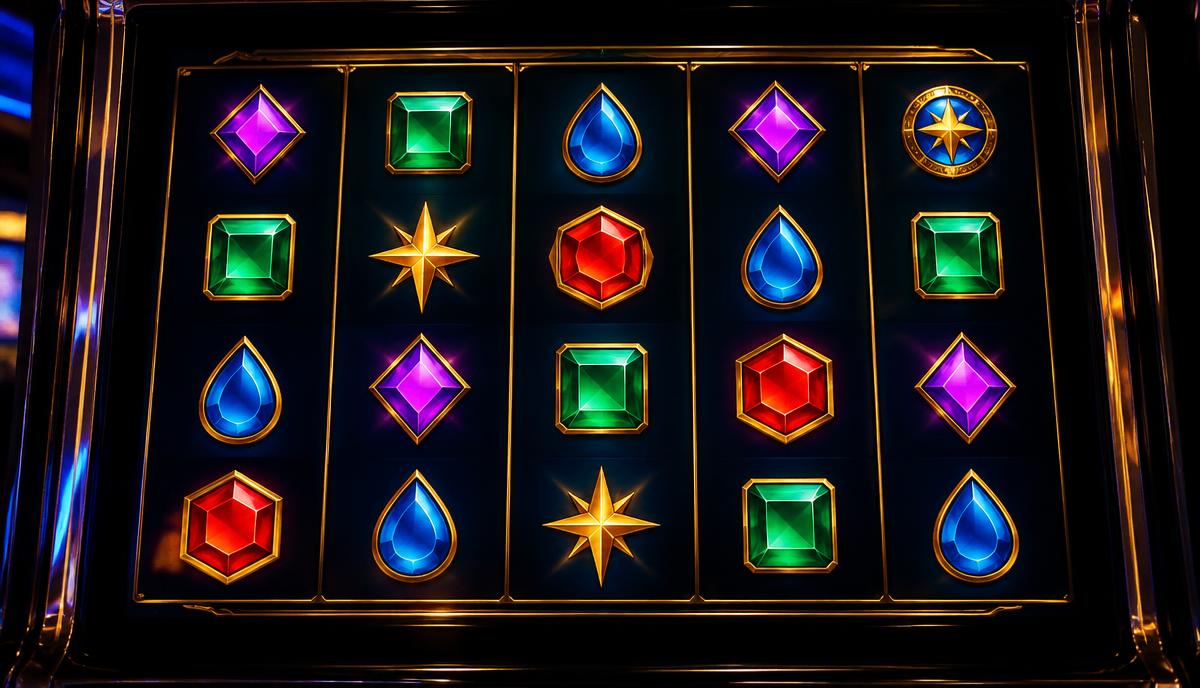
Most slots show a grid of reels (vertical columns) and rows. Classic slots often use three reels; modern video slots usually have five or six. A payline is a pattern across the grid — for example a straight line across the middle — and a win usually needs matching symbols to land on an active payline, starting from the leftmost reel. Some games replace paylines with 'ways to win' (for example 243 ways, where matching symbols on adjacent reels count in any position) or cluster pays, where groups of touching symbols pay. The game's info panel explains which system it uses.
How to start playing, step by step
1) Open the game and read the info or paytable screen first — it lists the symbols, their values, the features and the rules. 2) Check the stake settings and set an amount you are comfortable with; the total stake per spin is what matters, not the coin value alone. 3) Press spin and watch the result; the game settles any win automatically. 4) Before playing with real money, decide on a budget you can afford to lose and stick to it. Most slots at Moolzy offer a free demo mode so you can learn the rules and mechanics first — demo results do not indicate how often features or wins occur in real-money play.
What RTP means
RTP (return to player) is the theoretical share of stakes a game returns over a very large number of spins. A 96% RTP corresponds to an average theoretical return of 96 per 100 staked, with a house edge equivalent to 4. It is not a prediction of any individual session — a player can lose their whole stake or win more than they staked in the short term. The same game can be offered at different RTP settings by different casinos, so check the figure shown in the game info panel. Our reviews state the RTP configured at Moolzy for each game, and our high-RTP slots list collects the published figures in one place.
What volatility means
Volatility (sometimes called variance) describes the theoretical distribution of a game's outcomes. Low-volatility slots tend to award smaller prizes more evenly; high-volatility slots tend to award prizes less evenly, with longer stretches without a win and larger single prizes. Neither profile predicts your next session, and a higher-volatility game is not a route to larger wins. Starburst is an example of a low-volatility slot, while Sweet Bonanza sits at the higher end.
Common symbols and features
Wild symbols substitute for other symbols to complete winning combinations. Scatter symbols usually trigger a feature — often free spins — when enough of them land anywhere on the grid. Free spins are rounds played without an additional stake, sometimes with extras such as multipliers. Multipliers increase a win by the stated factor. Some games add cascading or tumbling reels, where winning symbols disappear and new ones fall in, or bonus rounds with pick-and-win mechanics. Each game's paytable explains exactly how its features trigger and settle.
Bonus buys and jackpots
Some slots offer a bonus buy — paying a stated multiple of the stake to enter the free spins feature directly. The price does not change the odds of the feature's outcomes, and the feature can still return less than the purchase price. Jackpot slots add a top prize: fixed jackpots stay at a set amount, while progressive jackpots grow through contributions from qualifying bets until someone triggers them. Our jackpot games guide explains the mechanics in detail, and the Mega Moolah review covers a well-known progressive example.
Common slot myths
Myth one: a machine that has not paid recently is 'due' — every spin is independent, so past results do not make a win more likely. Myth two: the time of day or day of the week changes the odds — the RNG does not follow a schedule. Myth three: a bigger stake improves the chance of winning — stake size changes the amounts at risk, not the underlying probabilities (some jackpots require a minimum qualifying bet, which the rules state). Myth four: a game that just paid a big prize will stop paying — each spin's outcome is random regardless of what came before.
Playing slots responsibly
Set a budget before you start and never gamble money you need for essentials. Treat any stake as the cost of entertainment, take breaks, and never increase your stake to win back a loss. Slots are designed with a house edge, so the expected long-term result is a loss. If gambling stops being fun, use the deposit limits and self-exclusion tools in your account, and seek support from organisations such as BeGambleAware. 18+ only.
Slots at Moolzy
Hundreds of slots are available at Moolzy, most with a free demo mode so you can learn the rules and mechanics before staking real money. Demo results do not indicate how often features or wins occur in real-money play. Every game page shows the RTP configured at Moolzy, and our reviews — for example Big Bass Bonanza and Gates of Olympus — explain each game's features in detail. 18+ only — set limits, take breaks and gamble only what you can afford to lose.
Frequently asked questions
How do you play online slots?
Choose a stake, press spin, and the reels stop on a random combination produced by a random number generator. Matching symbols on a payline or in a cluster pay according to the paytable. Every spin is independent, and no outcome is ever due.
What is RTP in slots?
RTP (return to player) is the theoretical share of stakes returned over a very large number of spins — a 96% RTP means a theoretical average return of 96 per 100 staked. It does not predict any individual session, and the house edge remains.
Can you win real money on online slots?
Real-money slots can pay real prizes, but they are games of chance with a built-in house edge, so the expected long-term result is a loss. Never gamble money you cannot afford to lose.
Are online slots rigged?
Licensed casinos offer slots whose random number generators are independently tested. Check the operator's licence and the game's testing information. Testing ensures randomness — it does not guarantee a win or prevent losses.
Should I play the free demo first?
A free demo is a good way to learn a game's rules, paytable and features without staking money. Demo results do not indicate how often features or wins occur in real-money play.